

Three Decades of Climate COPs: Why Africa’s Urban Agenda Can No Longer Wait

-
Africa's urban climate challenge is shifting from recognition to delivery. COP31 must empower cities with the authority, capacity, finance and partnerships to translate national climate ambition into local action that strengthens economies, builds resilience and improves livelihoods.
For three decades, the world has convened at the annual United Nations Climate Change Conferences (COP) to negotiate climate commitments, mobilize finance and chart pathways toward a climate-resilient future. Over this period, the role of cities has evolved from being largely peripheral to becoming increasingly recognized as essential partners in delivering climate action.
Yet despite growing recognition, cities and subnational governments still face significant obstacles with securing the finance and authority, as well as building the institutional capacity needed to implement climate solutions at scale.
This gap is particularly consequential for Africa, the most rapidly urbanizing continent.
Africa’s urban population is projected to grow from approximately 700 million in 2020 to 1.4 billion by 2050 — nearly doubling in three decades. This transformation will reshape the continent’s economies, infrastructure, land use and resource demands. Much of the infrastructure that will determine the future of African cities is still to be built, creating both a major development challenge and a historic opportunity to pursue inclusive, low-carbon and climate-resilient urban growth.
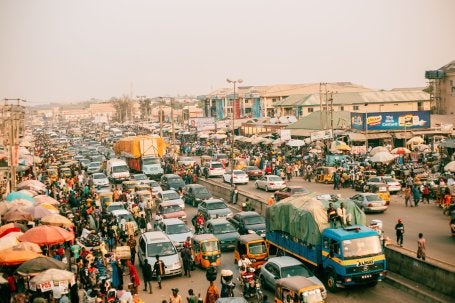
Photo by Meshack Emmanuel Kazanshyi/Pexels
African cities are already confronting floods, extreme heat, water stress, infrastructure disruptions and growing pressure on essential services. Rapid urban expansion, informality and infrastructure deficits are intensifying these risks. Well-planned cities can expand access to jobs and services, improve mobility, reduce emissions, protect ecosystems and strengthen resilience.
The question is no longer whether cities matter for climate action. What matters now is the extent to which the global climate architecture enables cities, particularly African cities, to influence decisions, secure investment and build the partnerships required to shape their own climate futures.
From National Negotiations to Multilevel Climate Action
COP21 was the first time the importance of engaging cities, regions and other non-Party stakeholders in advancing climate action emerged in official UNFCCC language. In the preamble to the Paris Agreement, the UNFCCC explicitly recognized local and subnational governments as "governmental stakeholders" in global climate policy, laying the groundwork for the vertical integration that would follow.
The associated Global Climate Action Agenda created new channels for mobilizing contributions from cities, businesses, investors and civil society alongside national commitments. The Marrakech Partnership for Global Climate Action, established in 2016, further strengthened collaboration between governments and non-state actors. Subsequent COPs strengthened this agenda until A significant milestone came at COP28 with the launch of the Coalition for High Ambition Multilevel Partnerships (CHAMP), which seeks to strengthen collaboration between national and subnational governments in climate planning, financing, implementation and monitoring. By September 2026, 78 national governments had joined CHAMP, collectively representing 37% of the global population and 41% of global greenhouse gas emissions — demonstrating growing international commitment to multilevel climate governance.
These developments indicate an increasingly organized and visible urban agenda growing better connected to the implementation of national climate commitments.
But has this growing recognition translated into meaningful influence of urban and local actors over the decisions and resources that determine climate outcomes?
Beyond the COPs: The Global Development Agenda Recognizes Cities
In 2015, the adoption of the 2030 Agenda for Sustainable Development established Sustainable Development Goal 11 (SDG 11), which calls for cities and human settlements to be inclusive, safe, resilient and sustainable. It addresses affordable housing, sustainable transport, integrated urban planning, disaster-risk reduction, air quality, waste management and access to green and public spaces. SDG 11 also recognizes the importance of strengthening urban-rural linkages and integrating climate resilience into development planning.
In 2016, the adoption of the New Urban Agenda at Habitat III in Quito reinforced that urbanization is not merely a demographic challenge, but a potential driver of economic development, social inclusion and environmental sustainability. It called for coordinated action by national and local governments and other stakeholders to guide urban growth and improve the quality of life in cities.

Photo by Abner Eyuel/WRI/ICLEI
Together, these agendas established a broader global mandate for sustainable urban development. The Paris Agreement and subsequent climate initiatives connected this mandate more explicitly to climate action, while CHAMP helped advance the case for collaboration across levels of government.
This convergence matters. Cities are not simply sites where climate impacts occur or where national commitments are implemented. They are places where climate, development, infrastructure, economic opportunity and social inclusion intersect.
Yet recognition alone does not ensure urban priorities are integrated into national climate plans, investment decisions or supported by predictable financing. The urgent challenge now is to translate these interconnected commitments into coordinated action.
Cities Are Becoming More Visible in National Climate Plans
Recent evidence suggests that this evolution is beginning to influence national climate planning. UN-Habitat’s 2026 analysis examined 142 third generation Nationally Determined Contributions submitted by mid-April 2026. It found that 80% of these national climate plans contained well-developed urban content, compared with 49% in the previous cycle. Nearly three-quarters included concrete urban delivery mechanisms, particularly multilevel governance and capacity building. Housing and informal settlements also emerged as a cross-cutting climate priority in almost half of the plans reviewed.
These findings indicate meaningful progress in connecting urban development with national climate commitments. They also offer an important basis for assessing whether global recognition is translating into stronger implementation arrangements.
However, the presence of urban priorities in national climate plans does not, by itself, establish whether cities have adequate decision-making authority, investment-ready projects or access to finance. Nor does it demonstrate that urban commitments are being implemented at the required scale.
For African cities, this distinction is especially important. Climate action must respond not only to emissions reduction targets, but also to rapid population growth, housing shortages, infrastructure deficits, informal settlements, limited municipal revenues and the need to expand essential services to achieve long-term climate resilient development.
The Real Test: From Recognition to Influence
National governments remain the principal decision makers within the UNFCCC negotiations. They negotiate international agreements, establish national climate targets and largely determine the policy frameworks through which climate finance for both adaptation and mitigation, is mobilized. Local governments, meanwhile, are responsible for decisions that determine whether climate commitments translate into tangible results.
Urban transport, land-use planning, building standards, drainage, solid waste management, water services, energy infrastructure, public spaces and nature-based solutions are all critical to climate mitigation and adaptation. Yet municipal governments often lack sufficient fiscal resources, data and technical capacity, institutional authority and access to long-term investment.
This creates a persistent and widening implementation gap: cities are expected to deliver climate outcomes without always having the means or influence to do so, while urban populations continue to grow, city footprints expand and millions remain under-served by essential services.
CHAMP addresses part of this challenge by promoting collaboration between national and subnational governments in the planning, financing, implementation and monitoring of climate strategies. Its implementation roadmap for 2026–2028 emphasizes multilevel partnerships, stronger delivery mechanisms and improved access to finance.
The next step is to make this collaboration routine rather than exceptional by embedding urban priorities in national climate planning, ensuring that cities have a meaningful role in determining how commitments are delivered, . and establishing the mechanisms and budgets needed to turn commitments into action.
Why This Matters for Africa
Africa’s urban reality makes this challenge especially urgent.
The challenge of informality — of settlements, livelihoods and service delivery — has partly resulted from the inability of government agencies to respond to the growing demand for affordable land, housing and basic infrastructure.
With the continent’s urban population projected to reach approximately 1.4 billion by 2050, decisions being made today will shape patterns of infrastructure investment, land consumption, mobility, housing and resource use for decades.
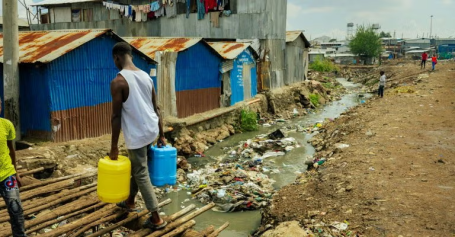
Photo by Kevin Ochieng
African countries have a big opportunity to influence the form and sustainability of future urban growth. Compact development, accessible public transport, affordable and well-serviced housing, resilient infrastructure and integrated green and blue spaces can reduce future climate risks while improving economic productivity and quality of life.
The challenge extends beyond municipal boundaries. African cities depend on surrounding watersheds for water security, regional landscapes for ecosystem services, agricultural systems for food supplies and wider economic networks for employment and growth. Their resilience depends on coordinated action across sectors, jurisdictions and levels of government.
For Africa, ensuring that urban priorities are reflected in climate diplomacy is essential to aligning climate ambition with the continent’s development needs. Continental platforms like the Africa Urban Forum have proven pivotal in this regard. The Forum’s focus on ensuring the continent’s growing population will have access to adequate housing have created an opportunity to advance multi-level and integrated urban agendas that connect housing, infrastructure, land use and basic services to both national and regional climate priorities.
The Missing Link: Climate Finance and Investment
Many African municipalities face barriers to accessing climate finance due to limited own-source revenues, weak borrowing capacity, inadequate project preparation, fragmented institutional mandates and difficulties meeting the requirements of international financing institutions.
Consequently, promising urban climate initiatives often remain small-scale pilots rather than developing into integrated, investable programs that can transform entire cities or metropolitan regions.
The challenge is not only to mobilize more climate finance, but also to improve how it reaches cities and supports locally identified priorities, including ensuring resilience of the most vulnerable communities.

Photo by WRI
This requires strengthening municipal financial systems, developing bankable project pipelines, providing project-preparation support, aggregating investments across cities and aligning national climate-finance frameworks with local development plans, with approaches to target finance to where the needs are greatest.
It also means recognizing that investment in urban resilience can generate benefits beyond municipal boundaries. Watershed restoration, urban greening, flood management and resilient transport networks can support regional ecosystems, public health, economic productivity and national climate objectives simultaneously.
Connecting the urban agenda to climate finance is critical for cities to access funding at scale and on terms that match their responsibilities, while ensuring accountability for results and equitable benefits for residents.
From Multilevel Governance to Multilevel Action
Effective climate action requires national and local governments to work together.
National governments establish enabling policies, negotiate international commitments and mobilize resources. Local governments contribute territorial knowledge, identify investment priorities and translate commitments into planning decisions, infrastructure and services. Communities, civil society, academia and the private sector bring additional expertise, innovation and implementation capacity.
Neither level can succeed alone. Nationally Determined Contributions (NDCs), National Adaptation Plans (NAPs) and long-term development strategies should be informed by meaningful participation from cities and local governments from the outset. Urban priorities should shape national commitments rather than being added as implementation considerations after decisions have already been made.
The same principle should guide monitoring and accountability. Progress should be assessed not only through national emissions targets, but also through improvements in urban resilience, access to services, housing, mobility, environmental quality and the protection of vulnerable communities.
This approach can help bridge the gap between international commitments and local delivery while ensuring climate action contributes to broader sustainable development objectives.
COP30 to COP31: An Opportunity to Turn Recognition into Delivery
COP30 in Belém further demonstrated the growing prominence of cities in climate diplomacy. It included a dedicated theme on building resilience for cities, infrastructure and water. The fourth Ministerial Meeting on Urbanization and Climate Change also called for stronger alignment between the urban and climate agendas, greater participation by local governments in the UNFCCC process and more explicit integration of urban priorities into national climate plans.
Looking ahead, COP31 in Antalya, Türkiye, from 9–20 November 2026, provides an opportunity to build on this momentum. Its focus on implementation and Climate Action Agenda create an opportunity to strengthen partnerships among national governments, cities, investors and development institutions. For African cities, the priority is no longer simply gaining visibility in climate discussions but demonstrating how urban climate action can be financed and delivered at scale. This will require stronger alignment between national climate commitments and city investment plans, more effective coordination across levels of government, and partnerships that can turn urban priorities into bankable programs.
COP31 should advance practical mechanisms for cities to influence climate planning, mobilize investment and implement solutions.
The Next Climate Frontier Is Urban
Three decades of COPs tell a story of gradual but significant change. Cities have moved from the margins of climate diplomacy to being recognized as essential partners in climate action. The Paris Agreement, SDGs, the New Urban Agenda, CHAMP and the recent strengthening of urban content in national climate plans all reflect this evolution. In recognition of this, the Intergovernmental Panel on Climate Change (IPCC) has decided to include a Special Report on Climate Change and Cities as part of its ongoing seventh assessment cycle to put together solid evidence on the topic.
The challenge now is to ensure that this recognition translates into meaningful influence, institutional capacity, accessible finance and measurable results.
For Africa, the stakes are especially high. The continent’s urban transition will shape its climate resilience, economic competitiveness, environmental sustainability and social inclusion for generations to come. Decisions about how cities grow, how infrastructure is financed and how essential services are delivered will have lasting consequences for both people and the planet.
The next phase of climate diplomacy must move beyond celebrating urban leadership toward embedding cities more firmly within the core architecture of climate governance, finance and implementation.
COP31 and the COPs that follow must put cities at the center of climate delivery. They must ensure that cities have the influence, authority, resources and partnerships required to shape and deliver the climate-resilient future their residents need.


